


1694 films
And a new one every day

The preferred platform
of true documentary lovers
Half of all revenue goes
directly to the filmmakers
Documentary cinema does not live only on screens. It also lives in inboxes.
Every week, thousands of filmmakers, producers, programmers, journalists and documentary lovers receive curated newsletters that summarize the most important developments in nonfiction storytelling. From festival announcements and funding opportunities to deep reflections about the craft of documentary filmmaking, these newsletters have become essential tools for anyone who wants to stay connected to the global documentary ecosystem.
Some focus on industry news and financing. Others offer thoughtful criticism and curated recommendations of films to watch. Together they form a fascinating map of how the documentary world thinks, produces and evolves.
Here are some of the most influential documentary newsletters in the world today.
In the ever-evolving world of documentaries, some stories captivate us with their grandeur while others charm us with their simplicity. Today, we dive into two such remarkable documentaries that you simply can't miss.
'The Deposition' offers an intimate look at the harrowing tale of a young boy seeking justice against a powerful institution, while 'Placebo' takes us into the existential abyss of India's demanding academic culture. Both documentaries are a testament to the human spirit, showcasing how passion and perseverance can shine through in the most unexpected ways.

In the realm of hard-hitting documentaries, 'The Deposition' stands out as a poignant and timely exposé of sexual abuse within the Catholic Church. French sales and distribution company Shellac will launch international sales for this impactful film at Locarno, with a French release scheduled for October. The trailer, already making waves, promises a raw and emotional narrative that is bound to resonate deeply with audiences.
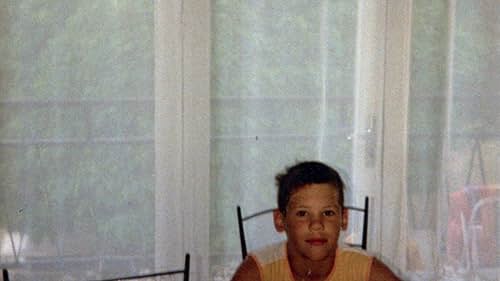
Directed by Claudia Marschal, 'The Deposition' tells the story of Emmanuel, who, in 1993, confided to his parents that he was molested by a popular new priest named Hubert. However, the boy’s allegations were kept secret. Fast forward thirty years, and Emmanuel’s father, Robert, burdened by guilt, confronts Hubert, who denies everything.
Encouraged by a government-commissioned report on sexual violence within the Catholic Church, Emmanuel decides to share his story with the authorities. The heart of the documentary is Emmanuel’s three-hour deposition, recorded on his phone, which forms the foundation of this powerful film.
Marschal’s direction gives voice to countless others who were silenced when they tried to discuss their traumas. "Women and men spoke out before #MeToo but weren’t heard," Marschal states. "'The Deposition' recounts the story of a young boy who spoke to his parents in the ’90s, but he was silenced. Thirty years later, in a society that seems more inclined to listen, we hear him file a complaint for the first time."

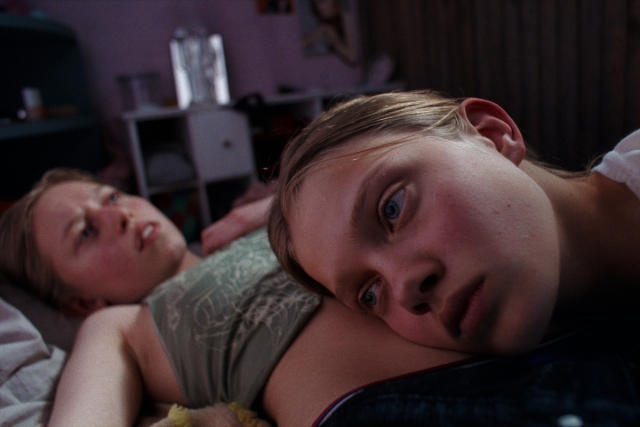
Producer Pierre-Olivier Bardet emphasizes the film’s non-judgmental approach, which offers an accurate and empathetic account of Emmanuel’s deposition. Drawing comparisons to François Ozon’s ‘By the Grace of God,’ Bardet explains how ‘The Deposition’ unveils the perverse mechanisms of abuse within the Church with remarkable grace and attentiveness.
Available on Guidedoc: 'Placebo', a gripping documentary by Abhay Kumar that explores the psychological turmoil within one of India’s most prestigious academic institutions. This experimental film has garnered international acclaim, winning awards and nominations at various film festivals, yet remains relatively unknown in India despite winning a National Award for Best Investigative Film in 2017.
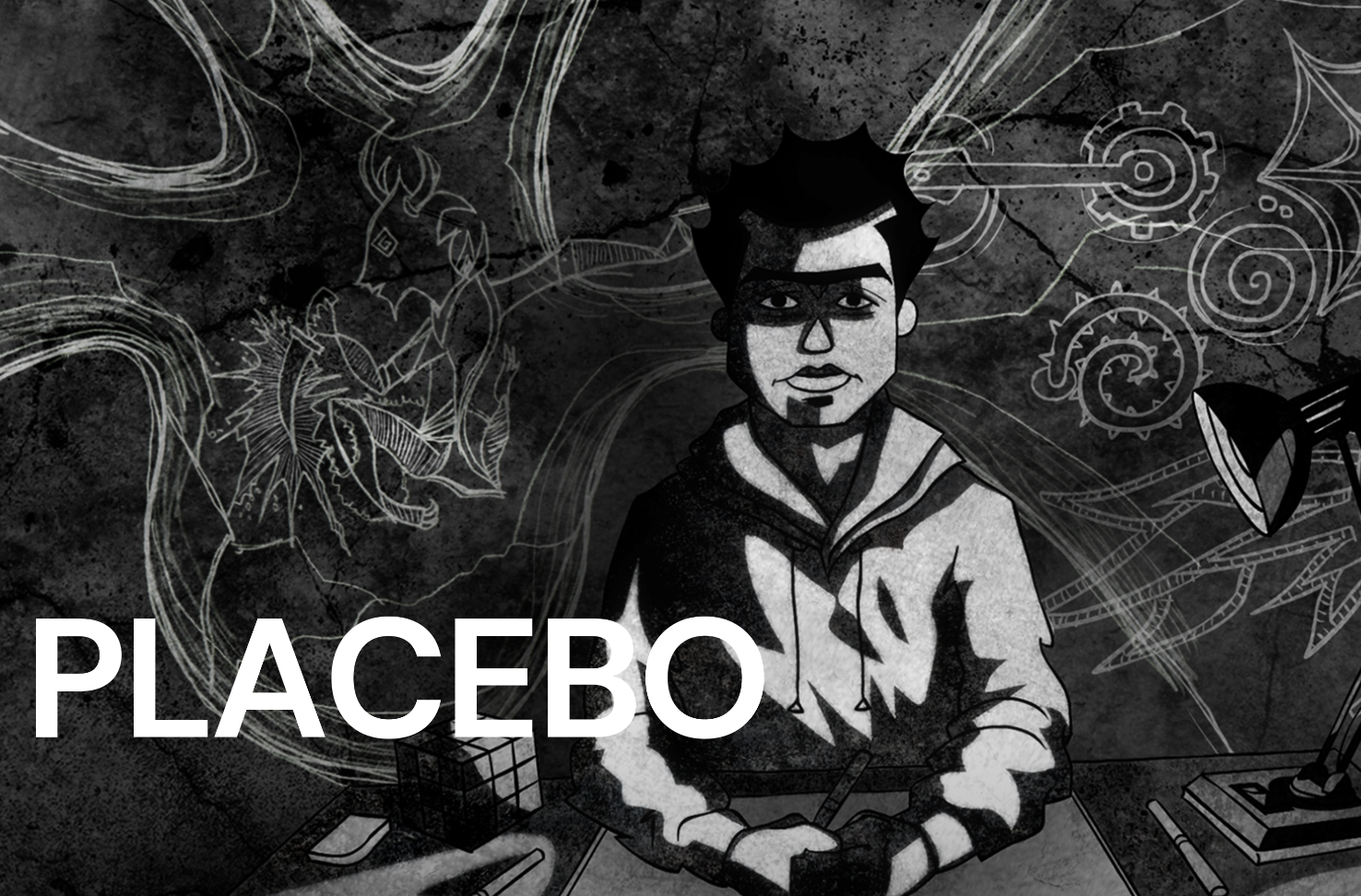
'Placebo' is more than just a film about the academic pressures faced by students. It’s a complex narrative that examines disillusionment with institutional structures, a personal letter to Kumar’s brother, and a journey into surreal absurdity.
Over two years, Kumar filmed and collected interviews and footage of students at the All India Institute of Medical Sciences (AIIMS), living in the dorms to support his younger brother, Sahil, who had suffered a severe injury. This immersive experience led Kumar to document the lives of other students, blurring the lines between his roles as a brother and a filmmaker.
The documentary's strongest feature is its characters. Kumar focuses on three individuals who represent the nuanced student culture of AIIMS: Sethi, the ambitious young man obsessed with the American dream; Chopra, the ideal Indian son burdened by the need to repay his parents through his achievements; and K, the enigmatic philosopher struggling to reconcile his intellectual pursuits with the demands of medical school.
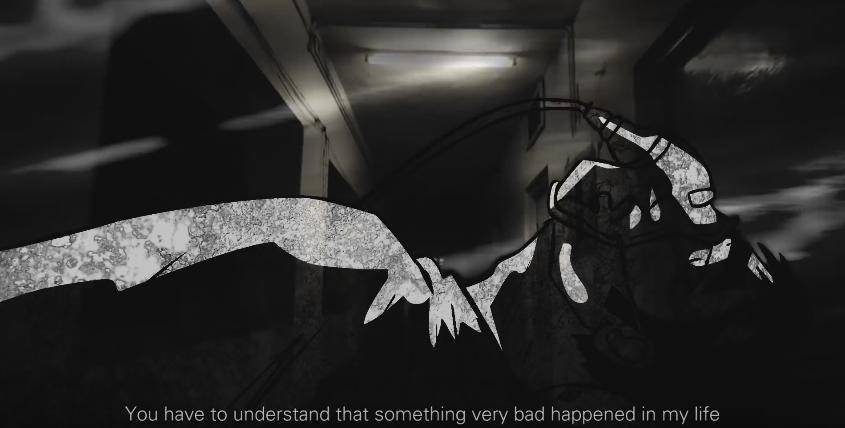
K’s philosophical musings and existential angst are central to the film. He quotes Schopenhauer, discusses space-time and human evolution, and contemplates suicide as the ultimate moral point of humanity. Kumar’s camera tries to penetrate K’s psyche, but he remains elusive, highlighting the omnipresent isolation and despair within the academic environment.
As 'Placebo' progresses, it becomes a scathing indictment of a culture where elitism, caste discrimination, and unrealistic academic standards lead to numerous student suicides. During Kumar’s stay at AIIMS, a student’s suicide triggers protests, with K emerging as a vocal leader demanding the director’s resignation. K’s disillusionment and anarchic dreams encapsulate the broader critique of the institution’s oppressive atmosphere.
Kumar’s innovative use of the medium further elevates 'Placebo'. He intercuts gritty realism with surreal animation, creating a visual representation of the student’s internal struggles. The cinéma verité style amplifies the anxiety, generating a false sense of intimacy that draws viewers into the characters' world.
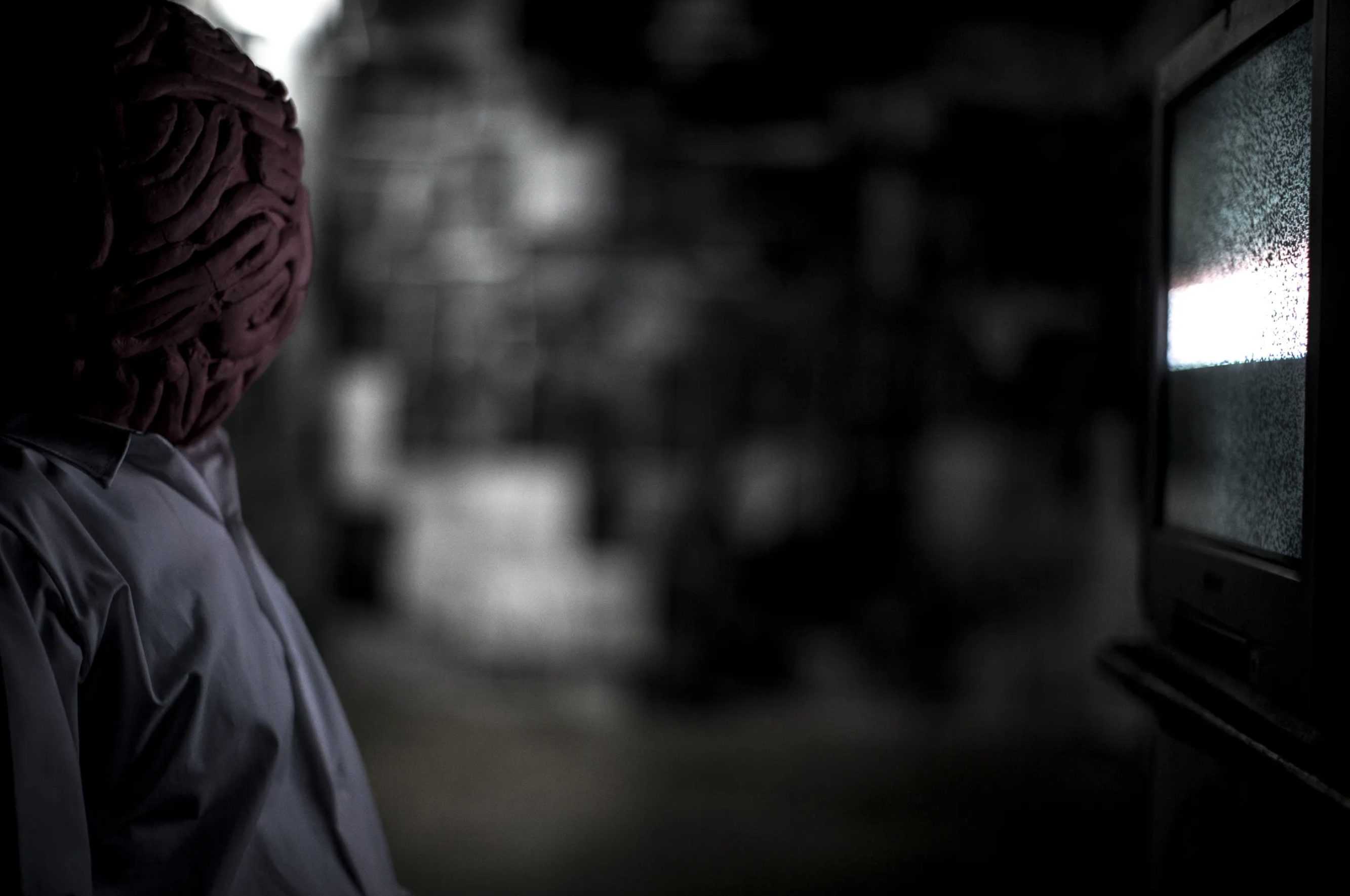
Despite its focus on the Indian education system, 'Placebo' is a universal exploration of existential angst and the pressures of societal expectations. It urges viewers to confront their madness and the binary notions of success and failure that dominate our lives.
Kumar’s commitment to his subjects and his ability to capture the raw, unfiltered reality of student life make ‘'Placebo' a standout documentary. It’s available to watch online on Guidedoc, making it accessible to a global audience.
Both ‘The Deposition’ and 'Placebo' offer unique glimpses into their respective worlds, tackling difficult subjects with sensitivity and insight. These documentaries not only inform but also challenge viewers to reflect on the deeper issues at play.
Claudia Marschal’s approach in ‘The Deposition’ is deeply empathetic, giving a voice to those who were silenced. Her collaboration with Pierre-Olivier Bardet and the support of Shellac highlight the importance of bringing such stories to light. The film’s nuanced portrayal of Emmanuel’s journey is a testament to Marschal’s dedication to truth and justice.
In contrast, Abhay Kumar’s 'Placebo' is a more personal endeavor. His decision to live in the dorms and immerse himself in the students’ lives adds a layer of authenticity to the documentary. Kumar’s experimental techniques and his focus on character-driven narratives make 'Placebo' a compelling watch.
In the realm of must-watch documentaries, ‘The Deposition’ and 'Placebo' stand out for their emotional depth and powerful narratives. These films not only entertain but also provoke thought and discussion, making them essential viewing for anyone interested in documentary filmmaking.
Let these documentaries take you on a journey into the depths of human experience. Whether you’re exploring the harrowing realities of abuse or the existential struggles of academia, these films offer a profound and moving viewing experience. And remember, in the world of documentaries, there’s always more than meets the eye.
Watch more great documentaries on Guidedoc
1694 films
And a new one every day
The preferred platform
of true documentary lovers
Half of all revenue goes
directly to the filmmakers